Home Care Solutions: Customized Care for Elderly
Home care options play an essential role in assisting seniors as they manage daily life. These options offer customized support tailored to individual needs, promoting independence while maintaining safety. Beyond physical tasks, they also furnish emotional support, dealing with feelings of isolation. Grasping the various aspects of home care can be complex, yet it is crucial for families seeking the best options for their loved ones. The next steps in this process are critical.
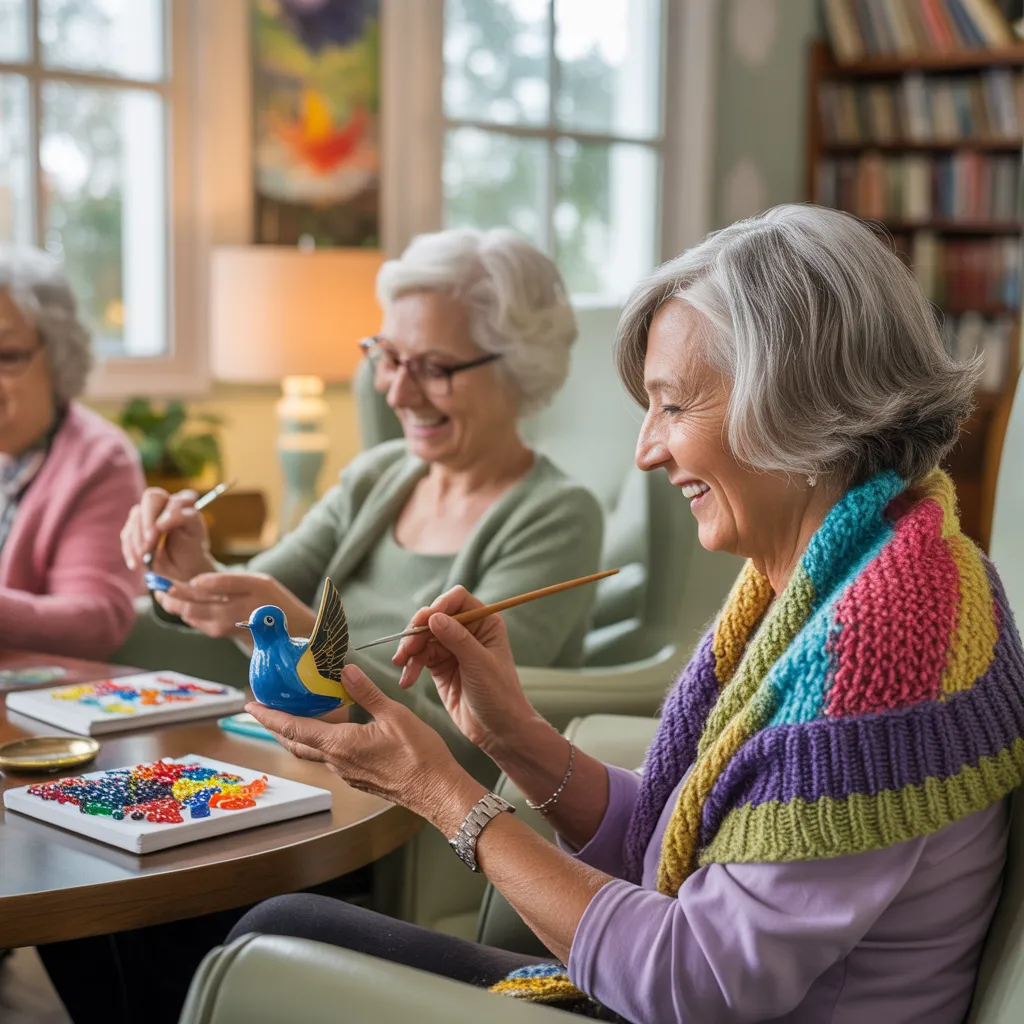
Why Aging people Require Residential care Support
With age, seniors commonly see their ability to perform daily activities decline, requiring home care services. People often encounter challenges like movement limitations, ongoing medical problems, and cognitive decline, making tasks progressively difficult. Home care support offer essential support, allowing seniors to preserve autonomy while receiving personalized assistance tailored to their unique needs.
These services often provide assistance with food preparation, drug administration, and personal hygiene, which can greatly enhance the standard of living. Additionally, in-home care addresses the mental health of elderly individuals by providing companionship and social engagement, decreasing sense of loneliness and solitude.
Moreover, home care options are flexible, enabling families to modify the intensity of care as their loved one's needs evolve. This flexibility guarantees that seniors receive the suitable assistance, fostering a safe and nurturing environment for aging in place. Ultimately, home care solutions are crucial for fostering health and dignity in the later stages of life.
Methods to Determine Your Close Relative's Necessities
How can families effectively determine the specific needs of their senior family members? Assessing these requirements begins with open communication. Families should take part in honest conversations, permitting older individuals to communicate their preferences and concerns. Watching day-to-day patterns can also deliver clarity into areas requiring assistance, such as mobility challenges or difficulty with household tasks.
In addition, households can perform a comprehensive assessment by consulting medical professionals who can determine medical requirements. This may include seeing the loved one's doctor or reviewing recent medical records. It is essential to take into account mental and interpersonal requirements, as social interaction and psychological health are critical for seniors.
Finally, families should review the home environment to recognize potential hazards or modifications necessary for safety. By merging these approaches, families can establish a thorough knowledge of their loved one's preferences, leading to more informed decisions about suitable home care solutions.
Key Styles of Home Care Programs for Aging Adults
Identifying the unique requirements of aging loved ones establishes the basis for selecting fitting home care programs. Diverse essential categories of home care programs cater to these needs, guaranteeing seniors receive the care needed for their quality of life.
Personal care solutions concentrate on assistance with daily activities such as bathing, dressing, and grooming. Companionship services provide psychological assistance and social engagement, helping to alleviate feelings of loneliness. Medication management guarantees that seniors follow their prescribed regimens, reducing medical complications.
Additionally, home-based health services provides skilled nursing services for those requiring healthcare needs, including wound care and mobility training. temporary respite gives family caregivers temporary relief, pledging they can refresh themselves while ensuring their loved ones continue to receive care. By grasping these service categories, kinship groups can make informed decisions that enhance the life quality for their aging relatives.
Recognizing the Merits of Bespoke Support
Bespoke assistance significantly enhances the caliber of support for seniors, addressing their individual requirements and tastes. By tailoring care to personal specifications, care providers can foster a feeling of dignity and independence, which is vital for emotional and psychological health. This tailored approach frequently leads to enhanced health results, as older adults are more inclined to comply to care plans that correspond with their lifestyles.
Furthermore, customized support boosts stronger relationships between caregivers and seniors, nurturing trust and open communication. This bond permits caregivers to better understand the emotional and physical challenges experienced by seniors, leading to more effective interventions. Additionally, it helps families to feel more involved in the care process, alleviating concerns about their loved ones’ well-being. Overall, personalized support not only enhances the quality of care but also improves the lives of seniors, providing them with the comfort and security they deserve in their golden years.
Instructions for Determine the Suitable Home Care Company for Your Dependents
Finding the right home care provider can feel overwhelming, yet it is an important decision for families seeking the finest assistance for their elderly loved ones. To begin, families should evaluate the particular needs of their family members, including healthcare needs, help with everyday tasks, and companionship. Exploring local providers is critical; families can consult internet ratings, seek recommendations from acquaintances, or get in touch with local aging agencies for guidance.
Once potential providers are recognized, families should plan consultations to gauge the caliber of service offered. Inquire about team credentials, training, and track record in handling similar situations. In addition, it is important to discuss support frameworks and flexibility in services, ensuring they can modify to changing needs. Finally, verifying credentials and licenses provides assurance of compliance with governmental requirements. By meticulously examining these factors, families can reach sound decisions that align with their loved ones' unique needs and preferences.
Home Care Expense Analysis
Maneuvering the monetary environment of home care can be difficult for families, as costs can vary greatly based on services required, location, and the degree of care required. On average, hourly fees for home care services range from $20 to $50, depending on the complexity of care. Basic help with everyday tasks typically costs less than specialized medical support, which can increase costs significantly.
Geographic location plays an important role in affecting costs; urban areas often have higher rates compared to rural regions. Additionally, families may face different rate options, such as hourly, daily, or live-in rates. Insurance coverage can further complicate financial planning, as not all policies reimburse home care expenses. Families are advised to investigate available financial aid, such as government programs and community resources, which can help alleviate some of the financial burden associated with home care services. Understanding these cost dynamics is essential for informed decision-making.
Methods for Connecting With Home Care Staff
How can households communicate their needs successfully to in-home care providers? Clear communication is essential for ensuring that seniors obtain the right care. First, families should detail specific needs and preferences, including daily routines, medical conditions, and personal interests. Sharing comprehensive details allows caregivers to adjust their strategy productively.
Second, nurturing open dialogue is vital. Families should feel welcomed in asking questions and expressing their input relating to the care being delivered. Frequent check-ins can help mitigate any worries promptly.
Third, utilizing written communication, including care logs or journals, can help tracking alterations in behavior or health, which is advantageous for both families and professionals. Finally, fostering a working partnership encourages understanding and mutual respect, leading to better outcomes. By implementing these strategies, families can create a supportive environment that enhances the home care experience for their family members.
Frequently Requested Questions
How Can I Involve My Senior in Care Choices?
Incorporating a older adult in care decisions can be accomplished by promoting frank conversations, actively listening to their desires, offering information about options, and respecting their choices, ultimately fostering a sense of independence and agency.
What Signs Point to That In-home Care Is Necessary?
Indicators that home care is necessary include struggles with daily activities, recurring falls, social isolation, health problems that aren't well-managed, inadequate personal care, and growing confusion or memory loss. Family members can also point out these warning signs.
Is It Possible to Adapt Home Care Services as Time Goes On?
Yes, residential care services can be customized over time. As circumstances shift, professional caregivers can adjust the level of support, number of visits, and types of services provided, ensuring ideal care for individuals throughout their course.
How Can I Manage Caregiver Transitions or Changes?
Dealing with caregiver changes requires transparent dialogue. Building confidence and consistency through gradual introductions and comprehensive care plans can ease shifts, guaranteeing that both elderly summary individuals and caregivers feel encouraged and comfortable throughout the process.
What Are Common Misconceptions About Home Care for Elderly Individuals?
Mistaken notions about home care for seniors incorporate assumptions that it is exclusively for the terminally ill, considerably expensive, or that caretakers want proper expertise. In essence, home care offers diverse options matched to individual needs.